The river sand drying production line primarily consists of a feeding and conveying system, a main drying unit, a heat source supply system, a dust removal and environmental protection system, a finished product screening system, a discharge and conveying system, and an electrical control system. The feeding system is responsible for transporting raw materials; the main drying unit serves as the core drying component; the heat source system supplies hot air; the dust removal system performs dust purification; the screening system sorts qualified finished products; and the electrical control system centrally regulates the operation of the entire line. These various systems work in synergy to execute a continuous and stable drying operation.
Sand dryers (such as the triple-drum rotary type) achieve efficient moisture removal through the combined action of high-velocity hot airflow and lifting flights. Upon entering the rotating drum, wet sand is uniformly dispersed by the lifting flights to form a “material curtain,” ensuring intimate contact with the high-temperature air. The triple-drum configuration extends the material’s residence time within the hot airflow, thereby facilitating a more thorough heat exchange. Simultaneously, a high-efficiency cyclone dust collector and an induced draft fan ensure the rapid evacuation of moist, heated air, thereby quickly reducing the moisture content from 8–10% to below 0.5%.
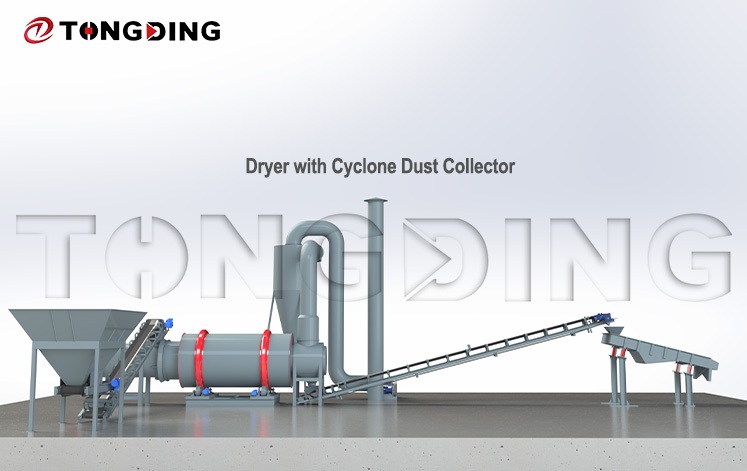
The sand drying system utilizes a triple-drum structure to minimize heat dissipation area; in conjunction with lifting flights that create a uniform material curtain, it facilitates rapid heat exchange, thereby significantly boosting thermal efficiency and reducing energy consumption.
The drum and lifting flights are fabricated from wear-resistant alloy steel plates to withstand the prolonged abrasive erosion of wet sand, ensuring structural stability and resistance to deformation, thereby significantly extending the service life of the sand drying equipment.
The integrated cyclone dust collection system efficiently captures dust generated during the drying process, reduces exhaust emissions, meets environmental standards, and enables clean, low-noise, and eco-friendly production.
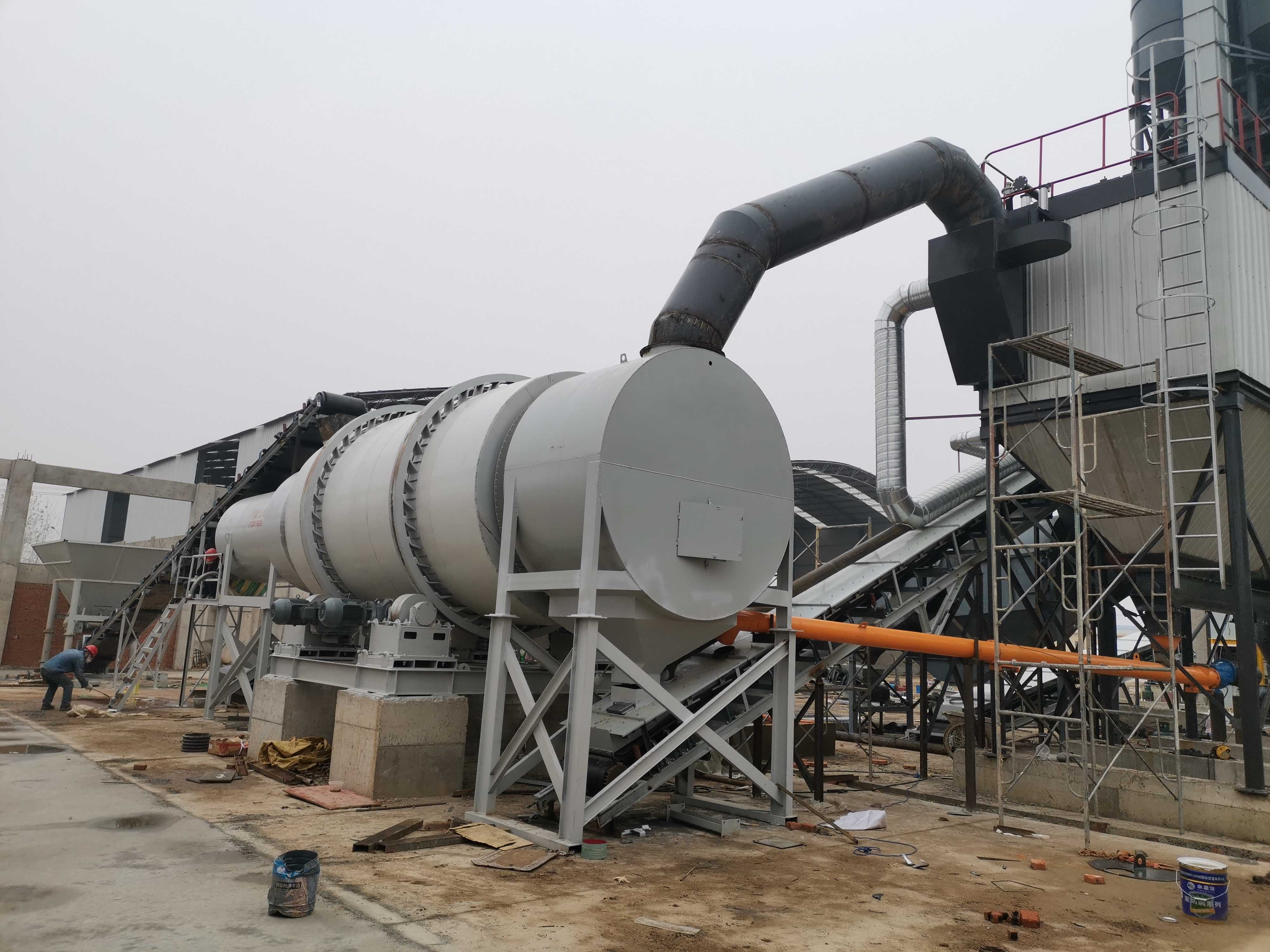
The river sand drying line is capable of drying various sand and aggregate materials—including manufactured sand, quartz sand, foundry sand, and yellow sand—and is also suitable for processing powdery and granular substances such as slag, coal slime, tailings, fly ash, and bentonite. It is widely utilized for drying applications across industries such as construction materials, mining, chemicals, and environmental protection.
5-ton class basic-model unit costs approximately $7,000–$15,000.
10-ton class triple-drum unit costs approximately $50,000.
20–30-ton class drum equipment: approximately$70,000
With upgraded specifications, the 30-ton class configuration can reach $80,000 .
A complete modern 50-ton-class production line starts at $130,000.
Tongding Machinery can provide customized solutions and quotations based on your specific material characteristics and on-site conditions.
E-mail :
info@tongdingmachinery.comTel / Whatsapp / Wechat :
+86 18137870873Fax :
+86 037163715718Copyright © Zhengzhou TONGDING Machinery&Equipment Co., Ltd.Power by yisainuo

