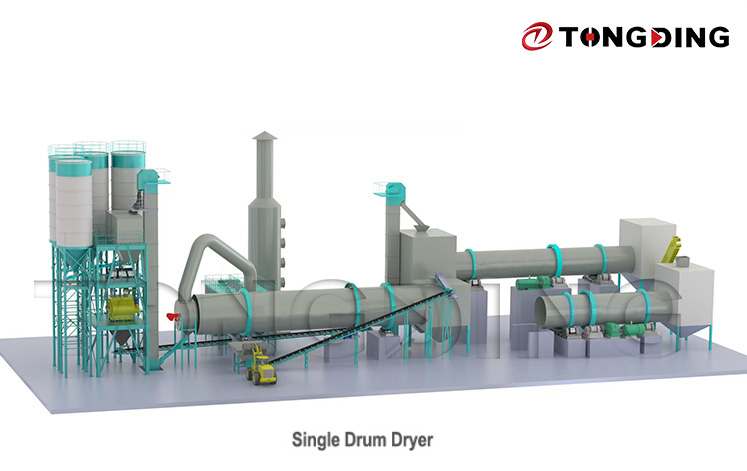
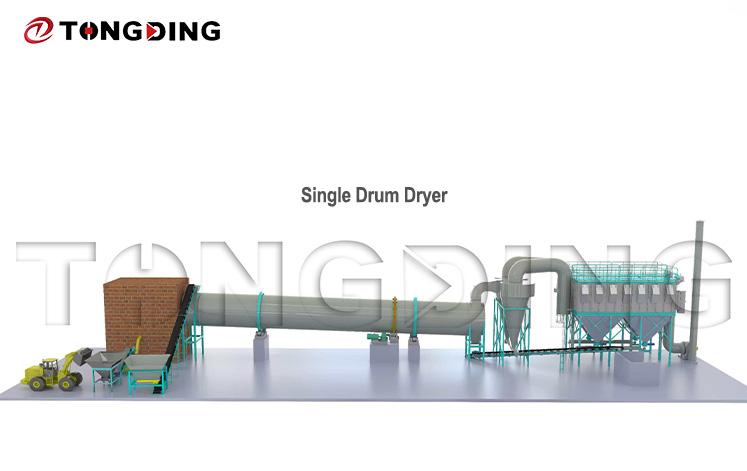
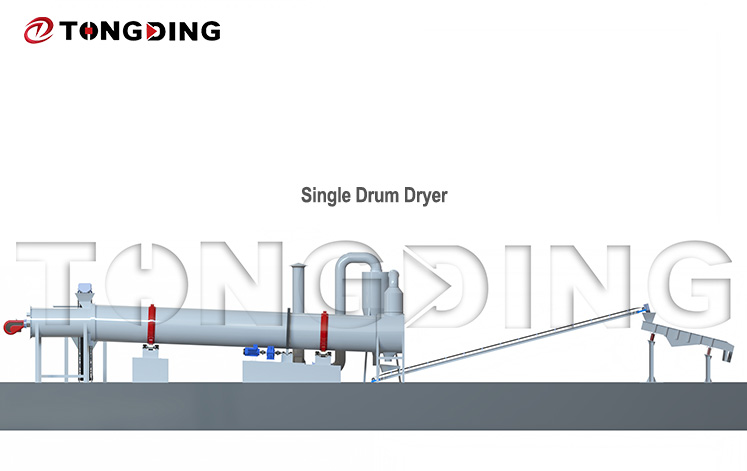
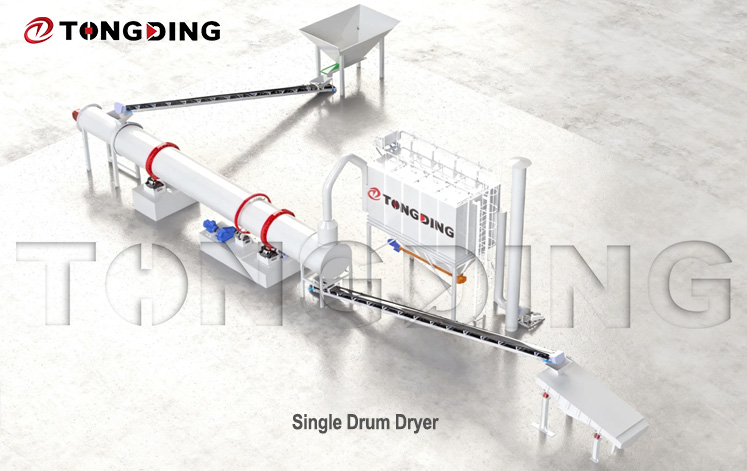
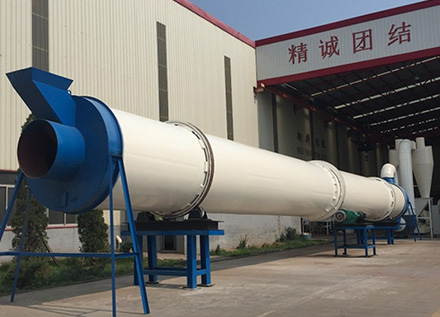
High-efficiency Combined Lifting Blades:
Form a uniform material curtain for high heat exchange efficiency, reducing energy consumption by 1/5. Built-in anti-sticking structure allows flexible adjustment of material residence time.
Self-aligning Idlers:
Maintain constant line contact between idlers and riding rings, greatly reducing wear and power loss, and ensuring smoother cylinder operation.
Zero Axial Thrust Drive:
Optimized idler and gear design eliminates horizontal thrust, lowering drive power by over 30% for stable and reliable operation.
Optimal Speed Matching:
Adopts the best rotational speed adapted to material characteristics for more sufficient heat exchange.
High-efficiency Dust Collection & Sealing(Weight Air-lock Discharge Hopper):
Special dust-collecting end cover ensures excellent dust removal effect. Follow-up sealing device is wear-resistant and temperature-resistant, reducing air volume loss.
Anti-sticking & Anti-breakage:
Cylinder vibrating device solves wall buildup of high-viscosity materials; intermediate anti-breakage device reduces material breakage rate by over 50%.
Integrated Air Classification:
Materials are directly air-classified and conveyed after drying, simplifying the process and improving environmental conditions.
Working Principle
Material flow
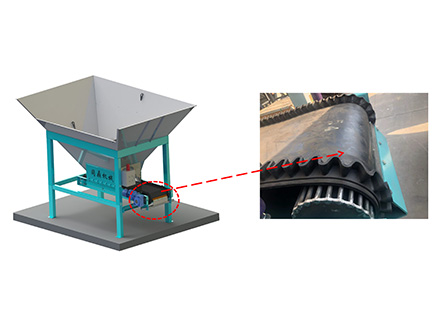
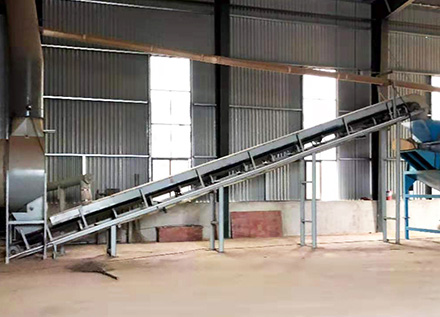
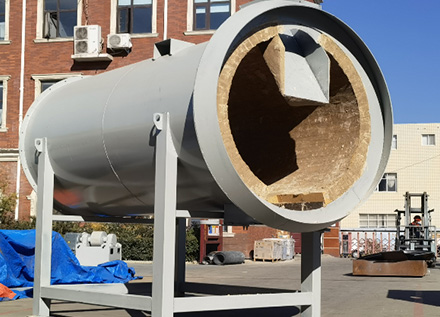
The material with a moisture content of 75-85% is fed into a specialized dehydration machine. The screw conveyor removes water to about 65% before it is sent downstream for drying in the mixing drum dryer. The flights within the drum pick up the material, carrying it over and showering it through the air stream as the drum rotates. This promotes maximum heat transfer efficiency between the material and the drying air, resulting in rapid water vaporization and material drying under the hot air's rapid flow.
To prevent buildup near the wet material discharge, the rotary drum dryer allows the material to dry before it reaches the next set of flights. Furthermore, a drum cleaning device is installed within the drum to prevent any sticking issues with the material.
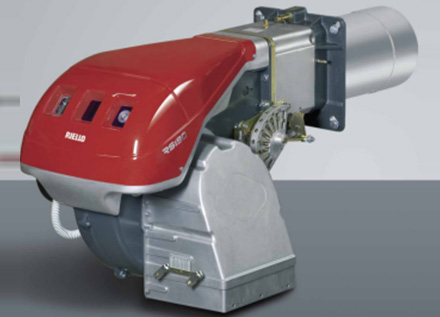
The hot air furnace increases the air pressure through an air blower, heating the air to 600-850℃. Once the temperature is reached, the hot air enters the dryer and dries the wet material, and evaporates the water through the inducing draft fan. Through a three-layer heat transfer process, the air temperature reduces to 55-65℃ before being discharged from the dryer. Finally, the dust and moisture are purified through the cyclone dust collector and wet dust collector.
Airflow
The air is pressurized by the air blower and enters the hot air furnace for heating. When the temperature reaches 600-850℃, the hot air is introduced into the dryer to dry the wet material and evaporate the water with the help of the inducing draft fan. Through a three-layer heat transfer process, the air temperature gradually reduces to 55-65℃ before being discharged from the dryer. The dust and moisture are then purified through the cyclone dust collector and wet dust collector.